Mindfulness Techniques You Can Practice in 5 Minutes
Mindfulness. It’s one of those words I’d heard being thrown around and initially wrote off as some kooky pseudo-science, up there with crystal healing and the like. “Practicing mindfulness techniques can improve your mental health!” they said. “Rubbish!” said I.
It turns out, though, that I was very, very wrong, and mindfulness, when practiced frequently, is a very powerful tool to have in your mental health arsenal; one which has the power to not only ground you in the moment but help you overcome feelings of stress or anxiousness.
Modern life can sometimes feel non-stop, but taking just a few minutes each day to pause can make a huge difference to your wellbeing. Mindfulness isn’t about meditating for hours, sitting uncomfortably on the floor with your eyes closed, or going to live in a yurt in the middle of nowhere for a month, it’s about being present in the moment, wherever you are.
I’ve been practicing mindfulness for a while now, and I can honestly say that it’s done wonders for my mental health. So, in the spirit of sharing, here are a few simple mindfulness techniques you can practice in five minutes or less.
1. Focus on Your Breathing
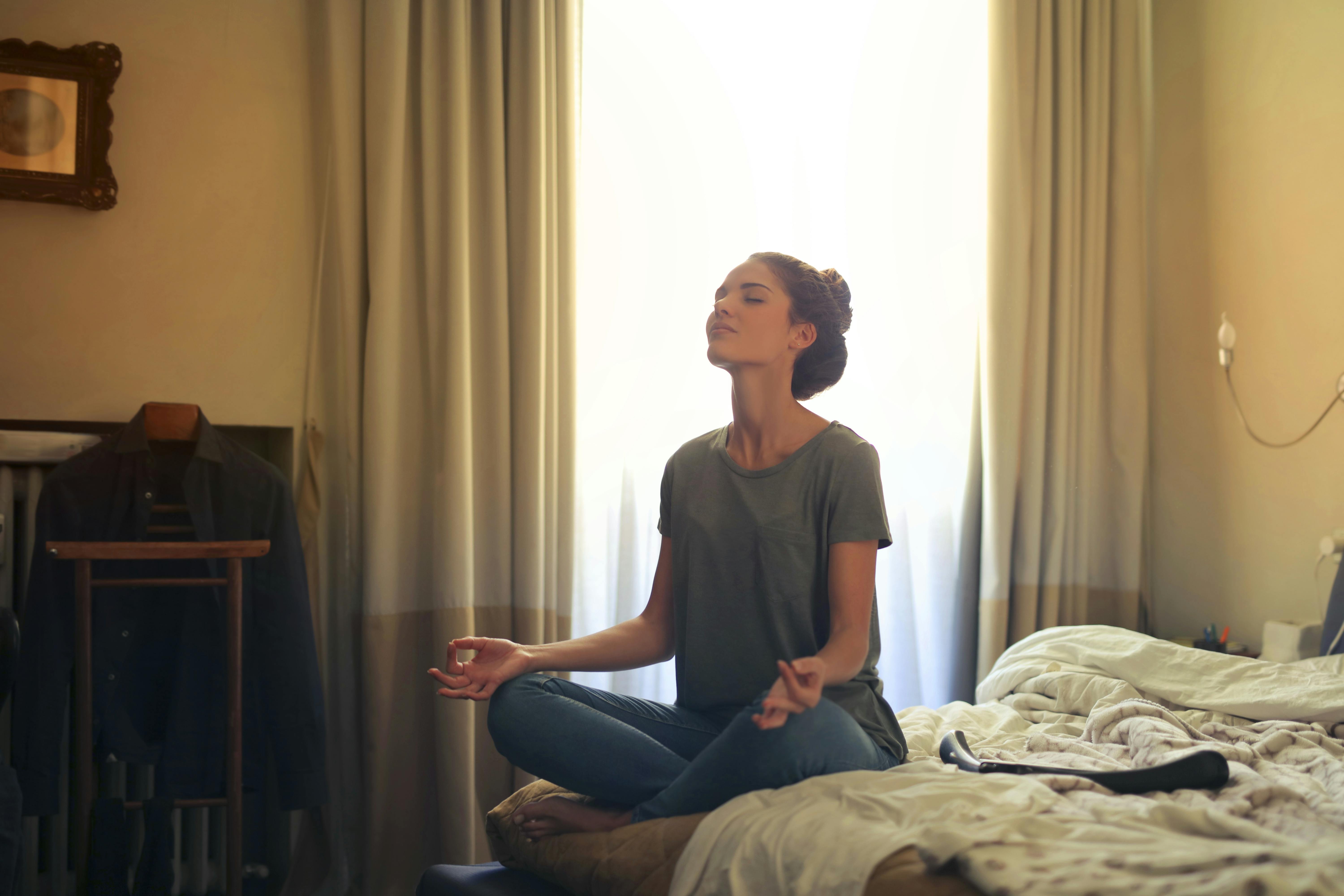
When it comes to mindfulness techniques you can practice in five minutes, they don’t come much simpler than this. All you’ve got to do for this one is breathe. And if you’re reading this, you’re already doing that, so you’re halfway to nailing this technique already!
Here’s what you’re going to do: Seat yourself in a nice, comfortable position and take slow, steady breaths. I find it helps to count as I’m doing it; I’ll count to four as I breathe in, hold for four, breathe out for four, and hold again for four, before repeating. This just helps me to steady my breathing and ensures I’m taking nice, deep breaths.
As you’re doing this, notice how the air feels as it enters and leaves your body, and focus on those sensations. If you feel your mind starting to wander, don’t panic! Just gently bring it back to your breath.
Doing this for even a minute or two can help calm your thoughts and reduce stress, and you can even do it at your desk without getting any weird looks from your colleagues.
2. Try a Body Scan
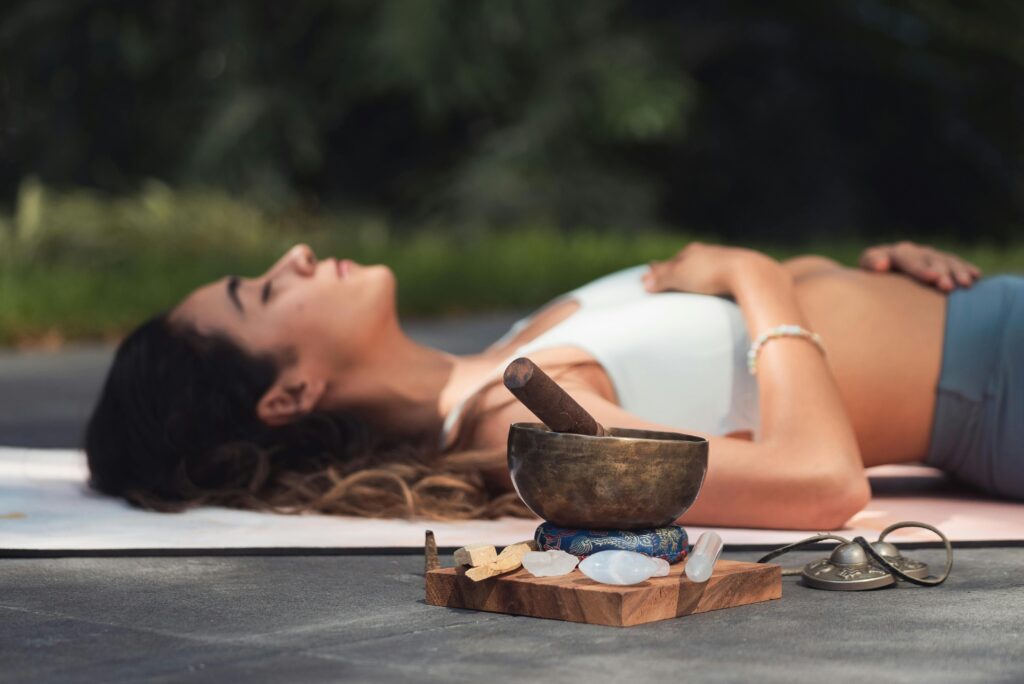
I tend to find that this one works best if you can lie down, but even if you can’t you can still reap the benefits.
What you’re aiming to do with a body scan is to ground yourself in the moment by acknowledging how every part of your body is feeling.
Start by closing your eyes and taking a few deep breaths. Then, you’re going to bring your attention to different parts of your body, starting from your toes and moving upward. As you mentally scan yourself, notice any sensations you’re feeling. It doesn’t matter if it’s warmth, tension, relaxation, or even pain, you’re just going to notice it and acknowledge it, and then move on, without trying to change any of the sensations you’re feeling.
Sometimes there can be a bit of a disconnect between your body and your mind, and this is a great and gentle way to reconnect the two.
3. Engage Your Senses
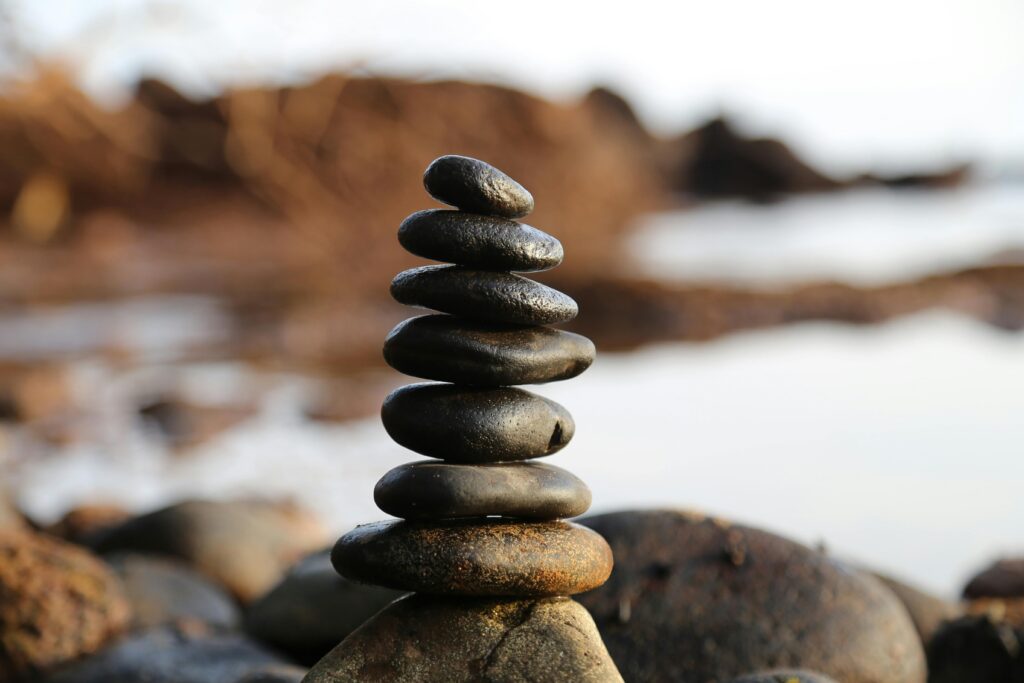
This is one of my personal favourite mindfulness techniques, and is one that I find very useful, especially if I’m feeling anxious or stressed about the future, because it brings me back into the present.
Once again, you’re going to want to get comfortable, take a few deep breaths, then take a moment to notice what you can see, hear, smell, taste, and touch right now.
I find it helps to say, out loud, five things I can see, four things I can touch, three things I can hear, two things I can smell, and one thing I can taste, as it distracts my mind from my worries and forces me to be present.
4. Practice Gratitude

Okay, for this one, you’re going to need a pen and paper. Don’t worry, I’ll wait here whilst you grab them…
…Okay, you got them? Great!
I want you to write at the top of the paper “Today, I am grateful for…” and then finish the sentence.
It doesn’t have to be big things, in fact, they can be as small as a cup of tea, a message from a friend, a nice snack you ate, or just the prospect of going home to a warm comfy bed tonight (that last one’s ALWAYS in my gratitude journal).
Taking time to reflect on what you’re grateful for is a fantastic mood booster and can help you to feel more positive about life in general. This is not to say that you have to be grateful for everything in life, we all have things we wish were different, but it helps you dwell less on the negative and embrace the good things.
5. Do a Mini Meditation

You know the drill by now, sit comfortably, take a few deep breaths. That’s it, you’re getting it!
Okay, now set a timer for five minutes, close your eyes, and focus on a single word or phrase. You could pick something like “relax”, “calm”, or “breathe”, but once you’ve chosen your word, simply repeat it gently in your mind. If you feel your mind starting to wander, just take it back to your word or phrase, and keep repeating it until the time goes off.
What this aims to do is train your focus and bring a sense of quiet to your thoughts. I’ll admit, this one is not easy at first; the mind has a tendency to wander off and do its own thing, but if you practice it, you’ll soon be able to quiet your mind like a pro!
Final Thoughts
Mindfulness doesn’t have to take a lot of time or effort, and just a few minutes a day can improve your focus, reduce stress, and bring more calm to your routine.
The key to long-term results, however, is consistency; it’s far better to spend a couple of minutes a day practicing mindfulness than spending ages on it but only sporadically, so try adding one or two of these techniques into your daily routine.
Trust me, your mind will thank you.