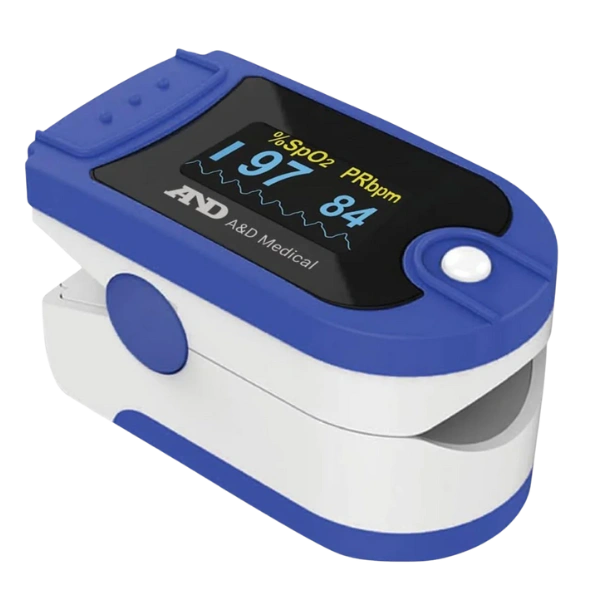
A&D Medical Up-200 Pulse Oximeter
Accurately measures oxygen levels and pulse rate
- Measures oxygen saturation and pulse rate accurately
- Compact fingertip design for easy home use
- Provides fast, reliable readings on a clear display
- Ideal for monitoring respiratory and heart health
- Lightweight, portable, and suitable for all ages
£14.89 Available Free Delivery on Orders over £20!
In stock
Overview
How does the A&D Medical UP-200 Pulse Oximeter assist in monitoring respiratory health at home?
The A&D Medical UP-200 Pulse Oximeter is a compact, non-invasive device designed to measure two vital health metrics: oxygen saturation in the blood and pulse rate. By simply clipping the device onto a fingertip, it provides a real-time percentage reading of how much oxygen the red blood cells are carrying. This is a crucial indicator for individuals managing chronic conditions or those recovering from respiratory illnesses. The device is small enough to fit into a pocket or be worn around the neck with the included lanyard, making it an ideal companion for monitoring health during rest or light activity.
What practical features make the display of the A&D Medical UP-200 Pulse Oximeter easy to read?
To accommodate different viewing angles and user preferences, the A&D Medical UP-200 Pulse Oximeter features a multi-directional OLED display. With the press of a button, the screen can rotate to one of six display modes, allowing the user or a carer to read the results clearly from any side. The high-brightness screen also includes a plethysmogram—a visual waveform that represents the pulse—and a bar graph of pulse intensity. This helps the user confirm that the device is correctly positioned and receiving a strong signal before they record their data.
How does the energy-efficient design of the A&D Medical UP-200 Pulse Oximeter support long-term use?
Designed for reliability and longevity, the A&D Medical UP-200 Pulse Oximeter includes an automatic power-off function that triggers after a few seconds of inactivity. This ensures that the two AAA batteries are not wasted if the device is accidentally left on. The low-power consumption design means a single set of batteries can provide many hours of continuous operation, which is particularly beneficial for users who need to check their oxygen levels multiple times a day. A low-battery indicator on the screen provides an early warning when it is time to replace the power source, ensuring the device is always ready when needed.
Usage Instructions
How should you use the A&D Medical UP-200 Pulse Oximeter to ensure an accurate reading?
For a consistent and reliable measurement, follow these practical steps:
- Preparation: Sit still and relax. Ensure your hand is warm and held below heart level to promote good circulation.
- Finger Check: Remove any nail varnish or artificial nails from the finger you intend to use, as these can block the light sensor and cause false readings.
- Application: Open the clamp and insert your finger (usually the index or middle finger) into the A&D Medical UP-200 Pulse Oximeter until the fingertip touches the stop guide.
- Measurement: Press the power button. Keep your hand completely still and do not talk while the device calculates your SpO and pulse.
- Recording: Wait for the waveform on the screen to become steady before noting down the numbers.
- Removal: Simply remove your finger; the device will automatically shut down after a few seconds.
Warnings
What safety precautions are essential when using the A&D Medical UP-200 Pulse Oximeter?
Clinical Advice: A pulse oximeter is a monitoring tool, not a diagnostic one. If your oxygen levels drop below the range advised by your doctor, seek medical attention immediately.
Environmental Light: Very bright light, such as direct sunlight or strong overhead lamps, can interfere with the sensor. Use the device in a normally lit room for the best results.
Circulation Issues: If you have very cold hands or poor circulation (Raynaud’s disease), the device may struggle to find a pulse. Rub your hands together to warm them up before testing.
Movement: Excessive movement or shivering during the test will result in an error or an inaccurate reading.
Skin Condition: Do not use the device on fingers with oedema (swelling), scarring, or open wounds.
Who Is It For
Which individuals will benefit most from using the A&D Medical UP-200 Pulse Oximeter?
This pulse oximeter is a versatile tool for both clinical and home environments.
Chronic Respiratory Patients: Ideal for those managing conditions such as COPD, asthma, or pulmonary fibrosis who need to keep a close eye on their oxygen levels.
Heart Failure Patients: Useful for monitoring pulse rate and oxygenation as part of a wider cardiovascular health programme.
High-Altitude Travellers: A great tool for hikers, climbers, or skiers to monitor for signs of altitude sickness or hypoxia.
Fitness Enthusiasts: Athletes can use the device to track their recovery rates and heart rate response during and after intense training sessions.
Alternatives
What are the common alternatives to the A&D Medical UP-200 Pulse Oximeter?
Depending on your need for specific features like data recording or different sizes, you may consider:
- Kinetik Wellbeing Finger Pulse Oximeter: A popular UK-brand alternative that is also frequently used for home health monitoring.
- Braun Pulse Oximeter 1: A premium, clinically validated option known for its high build quality and simple interface.
- Beurer PO 30 Pulse Oximeter: Offers similar features with a focus on a lightweight and portable design.
- A&D Medical Blood Pressure Monitors: For users who need to track their cardiovascular health beyond just pulse and oxygen levels.
At Elite Meds, we provide simple, reliable and fast delivery for all orders. We use Royal Mail exclusively, based on consistent performance and strong customer satisfaction across our website and eBay stores.
Delivery Options
Royal Mail Tracked 48 – £3.99
Royal Mail Tracked 24 – £4.49
Delivery timeframes are estimates provided by Royal Mail and are not guaranteed.
Dispatch Times
- Orders placed before 3pm Monday to Friday are dispatched the same working day.
- Orders placed after 3pm, on weekends or bank holidays are dispatched the next working day.
See our full delivery policy here



Reviews (0.0/5 stars based on 0 reviews)
There are no reviews yet.