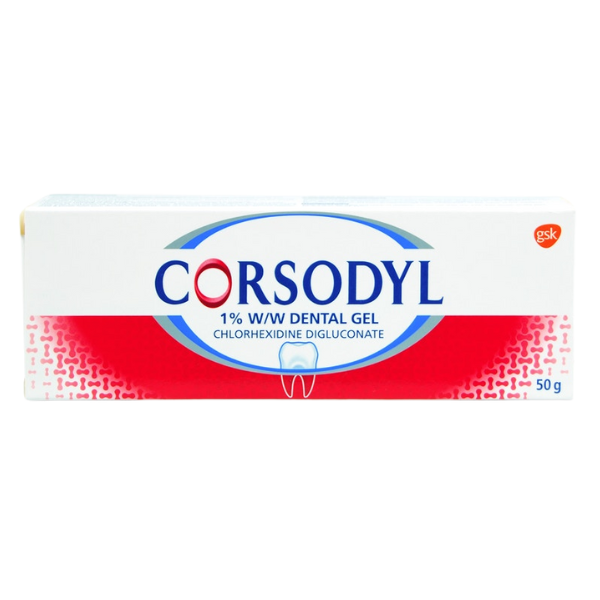
Corsodyl Dental Gel For Gingivitis (50g)
Antiseptic dental gel to treat and control gum disease
- Treats and prevents gum disease and mouth infections
- Contains chlorhexidine digluconate for antibacterial action
- Reduces bleeding gums and promotes healing
- Can be applied directly to affected areas
- Supports good oral hygiene during gum treatment
£4.79 Available Free Delivery on Orders over £20!
In stock
| Strength | 1% w/w |
| Size | 50 g |
Targeted Relief and Management for Gum Disease Symptoms
Corsodyl Gum Disease Treatment Dental Gel Overview
Corsodyl Gum Disease Treatment Dental Gel is a medicated dental gel formulated to help manage symptoms of gum disease (gingivitis) and support oral plaque control. It contains chlorhexidine digluconate, a well-established anti-microbial agent that helps reduce harmful bacteria in the mouth.
In the UK, Corsodyl Gel is available over the counter and is commonly recommended by dentists and pharmacists as part of a wider oral hygiene programme for people experiencing gum inflammation, bleeding gums, or plaque-related gum irritation.
Understanding Gum Disease
What is gum disease (gingivitis)?
Gum disease, or gingivitis, is an early form of periodontal (gum) disease characterised by inflammation of the gum tissue. It is usually caused by the build-up of dental plaque — a sticky film of bacteria that forms on teeth and along the gum line.
Without effective plaque control, gingivitis can lead to symptoms such as redness, swelling, bleeding gums during brushing or flossing, tenderness, and bad breath. If left untreated, it may progress to periodontitis, a more severe condition affecting the supporting structures of the teeth.
Why bacterial control matters
Harmful oral bacteria in plaque trigger an immune response that causes inflammation. Reducing bacterial load helps calm inflammation and allows gum tissues to recover.
What Is Corsodyl Gum Disease Treatment Dental Gel?
Corsodyl Dental Gel contains chlorhexidine digluconate, a broad-spectrum antimicrobial that targets the bacteria most closely associated with gum disease. The gel formulation is designed for direct application to inflamed gum areas and plaque-prone sites.
The thick gel base helps the active ingredient remain in contact with the gum tissue longer than rinses alone, providing extended antibacterial action.
How Does Corsodyl Dental Gel Work?
Antibacterial mechanism
Chlorhexidine binds to the oral tissues and tooth surfaces, where it:
- disrupts bacterial cell membranes
- inhibits bacterial adhesion and growth
- reduces plaque accumulation
By lowering bacterial populations around the gum margin, the gel helps reduce inflammation and bleeding.
Prolonged contact
Because the gel adheres well to gum surfaces, chlorhexidine remains active for longer, enhancing its plaque-reducing effect compared with some mouthwashes.
What Corsodyl Dental Gel Helps With — and What It Does Not
What it helps with
Corsodyl Gum Disease Treatment Dental Gel may help:
- reduce plaque build-up
- calm gum inflammation
- reduce bleeding gums
- soothe gum irritation
- support oral hygiene routines
It is often advised alongside brushing with a soft-bristled toothbrush and daily interdental cleaning.
What it does not treat
Corsodyl Dental Gel does not:
- cure advanced periodontal disease
- replace professional dental treatment for deep gum pockets
- reverse bone loss once periodontitis has developed
- treat dental infections requiring antibiotics
Persistent or severe symptoms should be assessed by a dental professional.
Corsodyl Gum Disease Treatment Dental Gel Summary
Corsodyl Gum Disease Treatment Dental Gel provides targeted antimicrobial support for managing plaque-related gum inflammation and bleeding. When used as part of a comprehensive oral hygiene routine, it can help calm gingivitis symptoms and support gum health.
Persistent or severe gum disease should always be evaluated by a dental professional.
Active Ingredients
Chlorhexidine
How to Use Corsodyl Gum Disease Treatment Dental Gel
Application guidance
- Apply a small amount of gel directly along the gum line after brushing
- Use the supplied toothbrush or finger to spread the gel gently
- Typically applied once or twice daily
Always follow the instructions on the packaging or advice from a dental professional.
Important usage advice
- Do not swallow significant amounts of gel
- Avoid eating or drinking immediately after application
- Use for the short-term management period recommended by your dentist
Safety, Warnings and Side Effects
Common side effects
Some people may notice:
- brown staining of teeth and tongue
- altered taste sensation
- mild irritation at application site
These effects are usually related to chlorhexidine’s mechanism and may reduce over time or with professional cleaning.
Minimising staining
Staining is more common with prolonged use. Using as directed for short courses and maintaining good oral hygiene reduces this risk.
When to Seek Professional Advice
Speak to a dentist or pharmacist if:
- gum bleeding persists beyond the course of treatment
- inflammation worsens
- you experience significant discomfort or swelling
- you have loose teeth or recurrent gum problems
These may indicate more advanced gum disease requiring specialised care.
Use in Pregnancy and Breastfeeding
Corsodyl Gel may be used during pregnancy or breastfeeding. If you have concerns, seek professional dental advice first.
Who Is Corsodyl Gum Disease Treatment Dental Gel For?
Corsodyl Dental Gel may be suitable for:
- adults and adolescents with gum inflammation
- people with gingivitis or plaque-related gum irritation
- those needing targeted antimicrobial support to brushing
- individuals advised by a dentist or pharmacist
It can be used as a supplement to regular toothbrushing and flossing.
Who Should Avoid Corsodyl Dental Gel
Corsodyl Dental Gel may not be suitable if:
- you are allergic to chlorhexidine or any other ingredients
- you have a known sensitivity to dental gels or oral rinses
- you are unable to perform adequate oral hygiene
Use with caution in people who experience staining of tooth surfaces or taste disturbance.
How Corsodyl Compares to Other Gum Disease Treatments
Gel vs mouthwash
While chlorhexidine mouthwashes are also effective, a gel formulation provides longer local contact and targeted application to problem areas.
Corsodyl vs mechanical cleaning alone
Brushing and flossing remove plaque mechanically. Corsodyl adds an antimicrobial action that can be particularly helpful when inflammation is present.
Supporting Long-Term Gum Health
To maintain healthy gums:
- brush twice daily with fluoride toothpaste
- floss or use interdental brushes daily
- attend regular dental check-ups
- maintain a balanced diet and avoid smoking
At Elite Meds, we provide simple, reliable and fast delivery for all orders. We use Royal Mail exclusively, based on consistent performance and strong customer satisfaction across our website and eBay stores.
Delivery Options
Royal Mail Tracked 48 – £3.99
Royal Mail Tracked 24 – £4.49
Delivery timeframes are estimates provided by Royal Mail and are not guaranteed.
Dispatch Times
- Orders placed before 3pm Monday to Friday are dispatched the same working day.
- Orders placed after 3pm, on weekends or bank holidays are dispatched the next working day.
See our full delivery policy here


Reviews (0.0/5 stars based on 0 reviews)
There are no reviews yet.