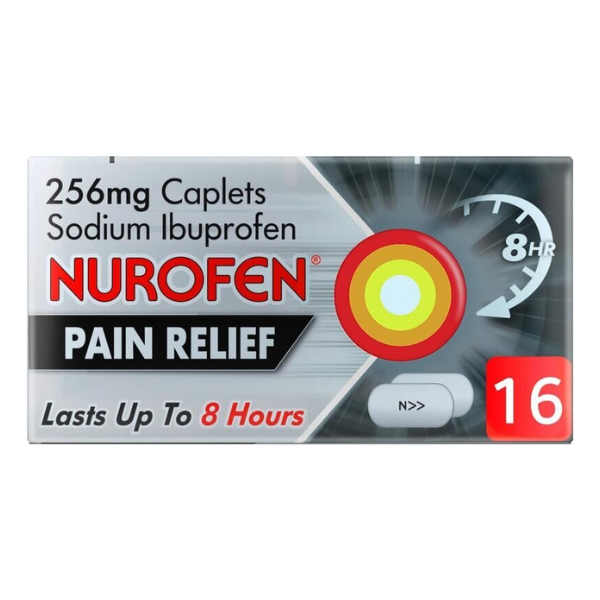
Nurofen Joint & Back Caplets (16 Caplets)
Powerful joint and back pain relief
- Up to 8 hours of pain relief
- Relief from back pains
- Easy to swallow
- Relief from joint pains
- Fast-acting relief
£3.69 Available Free Delivery on Orders over £20!
In stock
| Strength | 256mg |
| Size | 16 Tablets |
Overview
How do Nurofen Joint & Back Caplets (16 Caplets) target musculoskeletal pain?
Nurofen Joint & Back Caplets (16 Caplets) are specifically indicated for the management of pain associated with musculoskeletal disorders, such as backache, rheumatic pain, and muscular neuralgia. The efficacy of these caplets lies in their ability to target the biological root of joint pain, which is inflammation. When a joint or muscle is strained, the body releases enzymes known as cyclooxygenase (COX) enzymes. These enzymes convert fatty acids into prostaglandins, which are inflammatory mediators that cause the tissue surrounding the joint to swell, become red, and feel painful.
Nurofen Joint & Back Caplets work by inhibiting these COX enzymes. By blocking the synthesis of prostaglandins, the medication reduces the physical swelling within the joint capsule and the surrounding soft tissues. This reduction in internal pressure helps to restore mobility and alleviate the stiffness often experienced with back pain, allowing for a greater range of movement while the injury heals.
Why is the specific formulation of Nurofen Joint & Back Caplets important?
Nurofen Joint & Back Caplets contain 256mg of sodium ibuprofen, which is chemically equivalent to 200mg of standard ibuprofen. The key difference lies in the salt formulation. Sodium ibuprofen is much more soluble in water than standard ibuprofen acid. Upon entering the acidic environment of the stomach, the caplets dissolve rapidly and pass into the small intestine where they are absorbed into the bloodstream. This rapid absorption profile ensures that high concentrations of the drug reach the synovial fluid—the liquid found inside joints—quickly. This is particularly beneficial for acute back spasms or sudden joint flare-ups where the patient requires immediate relief to function or move comfortably.
Active Ingredients
Sodium Ibuprofen
Usage Instructions
How to take Nurofen Joint & Back Caplets correctly?
Nurofen Joint & Back Caplets should be swallowed whole with a large glass of water. Users must not chew, crush, or suck the caplets, as this can alter the absorption rate and cause irritation to the throat or mouth.
Adults and children aged 12 years and over: The recommended dose is 1 or 2 caplets taken with water, up to three times a day as required. Users must leave at least 4 hours between doses.
Why must Nurofen Joint & Back Caplets be taken with food?
It is essential to take Nurofen Joint & Back Caplets with food or immediately after a meal. Ibuprofen works systemically but can be locally corrosive to the gastric mucosa, which is the protective lining of the stomach. Taking the medication on an empty stomach significantly increases the risk of acid indigestion, gastric pain, and nausea. Food provides a physical buffer that protects the stomach wall and ensures the medication is tolerated well.
What are the dosage limits?
Users must not take more than 6 caplets in any 24-hour period, which equates to 1200mg of ibuprofen. Nurofen Joint & Back Caplets are intended for short-term use. If back pain persists for more than 10 days in adults, or if symptoms worsen despite treatment, users should consult a doctor or physiotherapist to rule out more serious spinal conditions.
Warnings
When must Nurofen Joint & Back Caplets not be used?
Nurofen Joint & Back Caplets must not be used by patients with a history of peptic ulcers, stomach perforation, or gastrointestinal bleeding. They are not suitable for individuals with severe heart failure, liver failure, or kidney failure, as NSAIDs can reduce blood flow to these organs and impair their function. Nurofen Joint & Back Caplets must not be taken by anyone who has had an allergic reaction to aspirin or other NSAIDs in the past, which might present as asthma, rhinitis, or angioedema.
Safety advice regarding pregnancy and fertility?
Nurofen Joint & Back Caplets must not be taken during the last three months of pregnancy. Doing so can cause premature closure of the ductus arteriosus in the foetal heart and may lead to prolonged bleeding during labour. Women in the first six months of pregnancy should only use Nurofen Joint & Back Caplets if specifically advised by a doctor. Furthermore, ibuprofen belongs to a group of medicines which may impair fertility in women; however, this effect is reversible on stopping the medicine.
Who Is It For
Who are Nurofen Joint & Back Caplets suitable for?
Nurofen Joint & Back Caplets are suitable for adults and children aged 12 years and over. They are an ideal choice for individuals suffering from acute lower back pain, lumbago, fibrositis, or minor arthritic flare-ups who require an anti-inflammatory medication rather than a simple painkiller. They are designed for those who need fast-acting relief to help them keep moving, which is often recommended for recovery from back strain. Nurofen Joint & Back Caplets are not suitable for children under 12 years of age.
Alternatives
Common alternatives to Nurofen Joint & Back Caplets?
If Nurofen Joint & Back Caplets are not suitable due to medical history or the location of the pain, common alternatives include:
- Voltarol 12 Hour Gel: A topical NSAID gel containing diclofenac that is massaged directly into the painful joint or muscle, providing targeted anti-inflammatory relief with minimal absorption into the rest of the body.
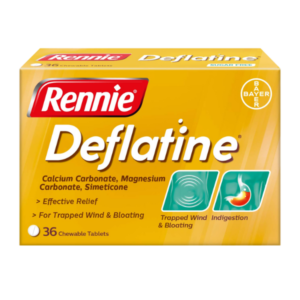
- Panadol Joint Actions: Provides effective relief from joint pain using paracetamol, which is gentler on the stomach and safe for those on blood thinners, though it lacks anti-inflammatory action.
- Deep Heat Rub: A topical cream that generates warmth to increase blood flow to the affected muscle, helping to relax tight tissues and stiffness in the back.
- Nurofen Maximum Strength: Contains 400mg of ibuprofen per tablet for those requiring a higher single dose for severe pain, though the total daily limit remains the same.
At Elite Meds, we provide simple, reliable and fast delivery for all orders. We use Royal Mail exclusively, based on consistent performance and strong customer satisfaction across our website and eBay stores.
Delivery Options
Royal Mail Tracked 48 – £3.99
Royal Mail Tracked 24 – £4.49
Delivery timeframes are estimates provided by Royal Mail and are not guaranteed.
Dispatch Times
- Orders placed before 3pm Monday to Friday are dispatched the same working day.
- Orders placed after 3pm, on weekends or bank holidays are dispatched the next working day.
See our full delivery policy here

Reviews (0.0/5 stars based on 0 reviews)
There are no reviews yet.